Introduction
In today's busy workplace, mental health recognition is extra important than ever before. Staff members deal with various stress factors, from tight target dates to work environment disputes, which can dramatically influence their mental health. This article delves into the relevance of integrating mental health recognition right into workplace emergency treatment programs. By incorporating mental health training together with standard physical emergency treatment courses, organizations can produce a holistic method to employee health. This not only improves efficiency yet additionally cultivates a helpful office society where workers really feel valued and understood.
Incorporating Mental Health and wellness Awareness right into Workplace First Aid Programs
Mental wellness is commonly forgotten in typical first aid programs, focusing largely on physical injuries and emergencies. However, as work environment characteristics progress, there's an increasing recognition of the need for mental health first aid training. This form of training equips employees with the skills needed to determine and react to mental wellness dilemmas effectively.
Understanding Mental Wellness in the Workplace
Mental health describes our emotional, psychological, and social health. It impacts how we assume, feel, and act in every day life. In the workplace, mental wellness can influence efficiency, involvement, and total job satisfaction.
The Relevance of Mental Health And Wellness Awareness
- Impact on Productivity: Poor mental health can result in absence and reduced productivity. Employee Retention: Organizations that focus on mental health often tend to have greater staff member retention rates. Workplace Culture: A concentrate on mental health promotes a favorable organizational society that motivates open communication.
The Duty of First Aid Training in Mental Wellness Awareness
First aid training traditionally focuses on physical emergencies like CPR or wound care. Integrating modules on mental health furnishes staff members with important skills for attending to psychological crises.
Key Components of Mental Health First Aid Training
- Recognizing Signs: Training helps employees identify indications of distress or psychological illness. Providing Support: Employees discover just how to provide preliminary support until specialist help arrives. Crisis Management: Strategies for taking care of acute crises are critical for maintaining safety within the workplace.
Benefits of Integrating Mental Health right into Emergency Treatment Courses
Integrating mental health understanding into existing emergency treatment courses has a number of benefits:

Enhanced Employee Wellbeing
Providing employees with tools to handle their own and others' psychological wellness leads to a healthier workforce.
Improved Emergency Feedback Skills
Training personnel in both physical and psychological first aid ensures a much more detailed reaction during emergencies.

Reduction in Stigma
By honestly reviewing mental health in a training environment, companies help in reducing stigma associated with looking for help.
Creating a Comprehensive Workplace Emergency Treatment Program
Developing a comprehensive emergency treatment program needs preparation and dedication from all levels of management.
Assessing Needs
Conduct analyses to recognize your organization's one-of-a-kind difficulties associated with both physical and mental health.
Selecting Suitable Educating Providers
Choose respectable providers for your emergency treatment training programs that consist of both physical emergency treatment certification and mental health components.
Types of First Aid Courses Available for Organizations
Organizations have numerous options when it concerns emergency treatment training programs:
Online First Aid Program Options
With remote working ending up being common, online programs give flexibility while ensuring that all workers get vital training regardless of location.
Corporate Emergency treatment Training Packages
Customized business plans can be tailored particularly to meet your organization's demands worrying both physical injuries and emotional support systems.
Specific Training courses Available
|Training course Type|Focus Area|| ----------------------------------|----------------------------------|| Childcare Emergency Treatment Course|Safety and security methods for youngsters|| Manual Handling Training|Safe lifting strategies|| CPR Training|Life-saving abilities|
Mental Health First Aid vs Typical First Aid Training
While traditional first aid concentrates on immediate physical care, mental health emergency treatment highlights understanding emotional distress's symptoms and signs. Both are equally crucial in developing a safe work environment.
Implementing Mental Health Awareness in Existing Programs
Transitioning towards an integrated approach may Go to this website appear tough but is achievable through structured steps:
Developing Plans Sustaining Psychological Wellness
Create plans that advertise open discussions concerning mental wellness problems without concern of preconception or repercussions.
Regular Workshops and Seminars
Organize routine workshops concentrated on numerous facets of mental wellness such as anxiety monitoring techniques or dealing devices for anxiety.
Evaluating the Performance of Your Program
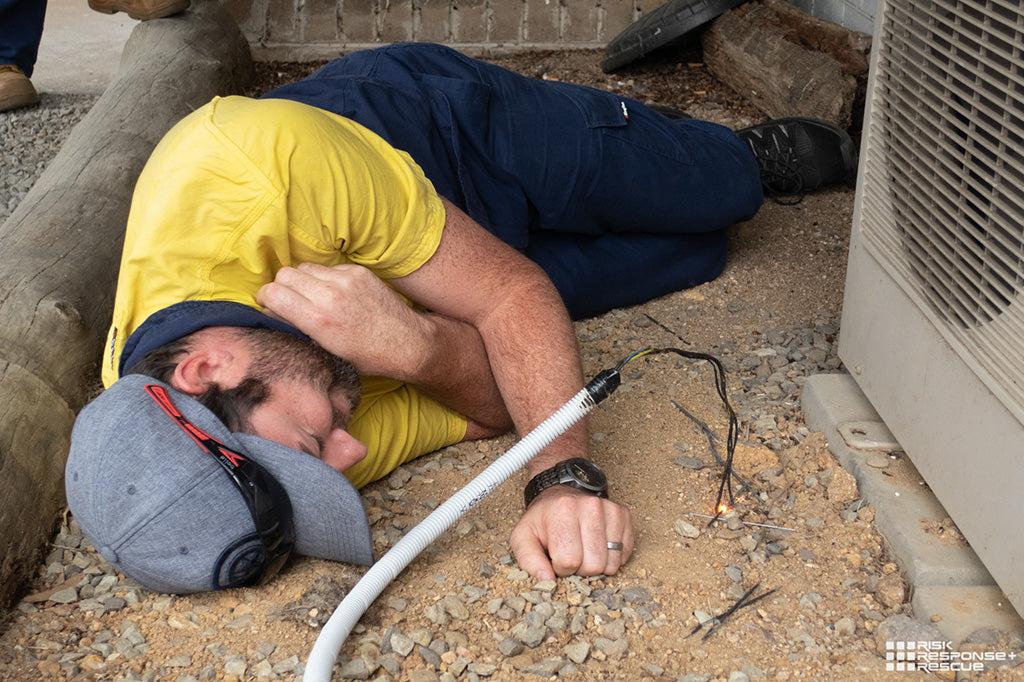
Continuous assessment makes sure that your program stays effective in resolving Low voltage rescue and CPR training (UETDRRF004) both physical security and mental well-being:
Feedback Mechanisms
- Conduct surveys post-training sessions. Create confidential channels for ongoing feedback relating to the performance of carried out strategies.
FAQs
1. What is included in a typical workplace emergency treatment course?
A regular workplace first aid training course consists of CPR training, wound care procedures, responding to fainting or choking occurrences, along with acknowledging signs of emotional distress-- commonly now including components concentrating on mental health awareness.
2. Exactly how do I select the appropriate provider for emergency treatment training?
When picking a service provider for your corporate first aid training needs:
- Look for approved institutions. Check if they provide specialized training courses like Mental Wellness First Aid. Read reviews or obtain suggestions from other organizations.
3. Is online first aid training as effective as traditional classes?
Yes! Numerous on-line courses are developed by certified specialists who ensure that individuals get thorough education and learning matching to standard class settings-- permitting flexibility while maintaining top quality knowing experiences.
4. Just how frequently ought to we carry out refresher course courses?
Most organizations recommend performing refresher courses every 2 years; however, it might be valuable to examine certain demands each year depending on changes within your labor force dynamics or any type of cases that occur calling for added focus areas like hands-on handling methods or enhanced concentrate on emotional knowledge skills within teams.
5. Can incorporating mental health and wellness understanding boost workplace culture?
Absolutely! When companies freely address problems surrounding staff member health-- consisting of both physical precaution (via basic first-aid protocols) AND encouraging frameworks around emotional difficulties-- a comprehensive ambience emerges where employees feel empowered as opposed to stigmatized by their circumstances!
6. What resources are available for implementing these programs?
Numerous resources exist varying from on-line systems giving products associated particularly towards integrating Mental Health elements right into existing frameworks (like ASIST workshops), along with local community services offering assistance networks allowing more advancement opportunities!
Conclusion
Incorporating Mental Health Recognition right into Workplace First Aid Programs isn't simply beneficial; it's necessary for promoting a comprehensive office society that focuses on worker well-being holistically. As companies adjust to transforming workforce dynamics-- with boosting recognition positioned upon emotional variables intertwined among performance metrics-- the proactive steps taken today will yield considerable returns tomorrow! By empowering staff members via extensive trainings including both conventional emergency situation actions alongside contemporary requirements relating to emotional knowledge & & resilience-building strategies-- we lay solid structures sustaining all people flourishing together collectively!